
My recent move from Monzo to Engine by Starling brought a familiar feeling rushing back: the intense, almost overwhelming urge to prove my worth immediately. When starting a new job, it’s completely natural to want to justify the company’s decision to hire you by making an instant impact. We want to show up, roll up our sleeves, and start fixing things.
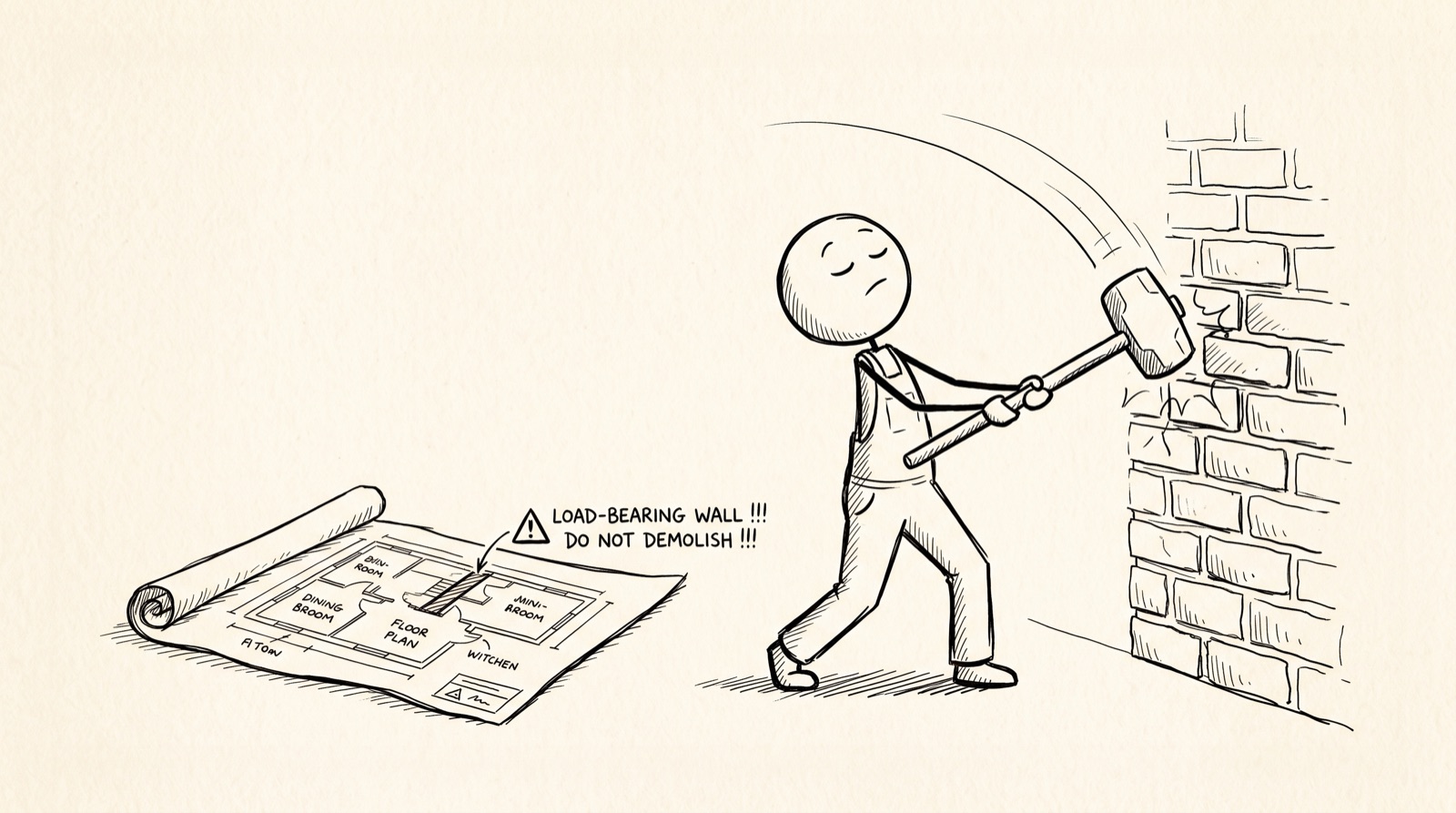
But a bias toward action is a superpower only when applied correctly - action without context is just noise. If you swing a sledgehammer before looking at the blueprints, you might knock down a load-bearing wall. Here’s how to frame your bias toward action not as rushing, but as moving decisively only after you’ve built a foundation of context.
Phase 1: the collection period
Listening is an action if done deliberately. During your first few weeks, focus on being active in your passivity.
- Map the terrain. Identify key stakeholders and observe team dynamics before suggesting changes.
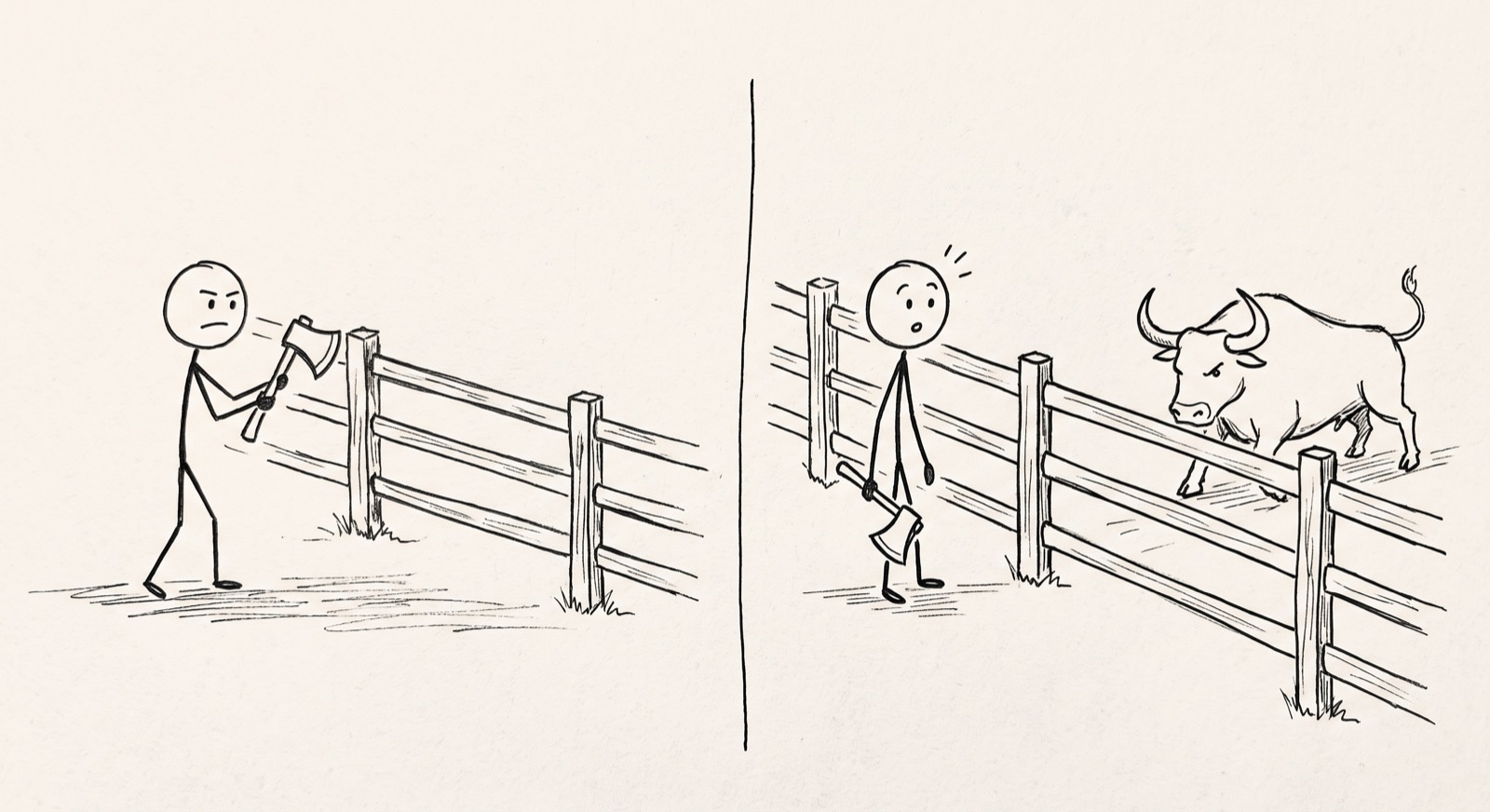
- Investigate the “why.” Apply Chesterton’s Fence - don’t remove a barrier or criticize a legacy process until you know exactly why it was built in the first place.
- Gather data. Read historical documentation, shadow your peers, and conduct 1:1s focused entirely on discovery.
Phase 2: the synthesis phase
This is the bridge between collecting information and taking action. It requires dedicated, analytical thought.
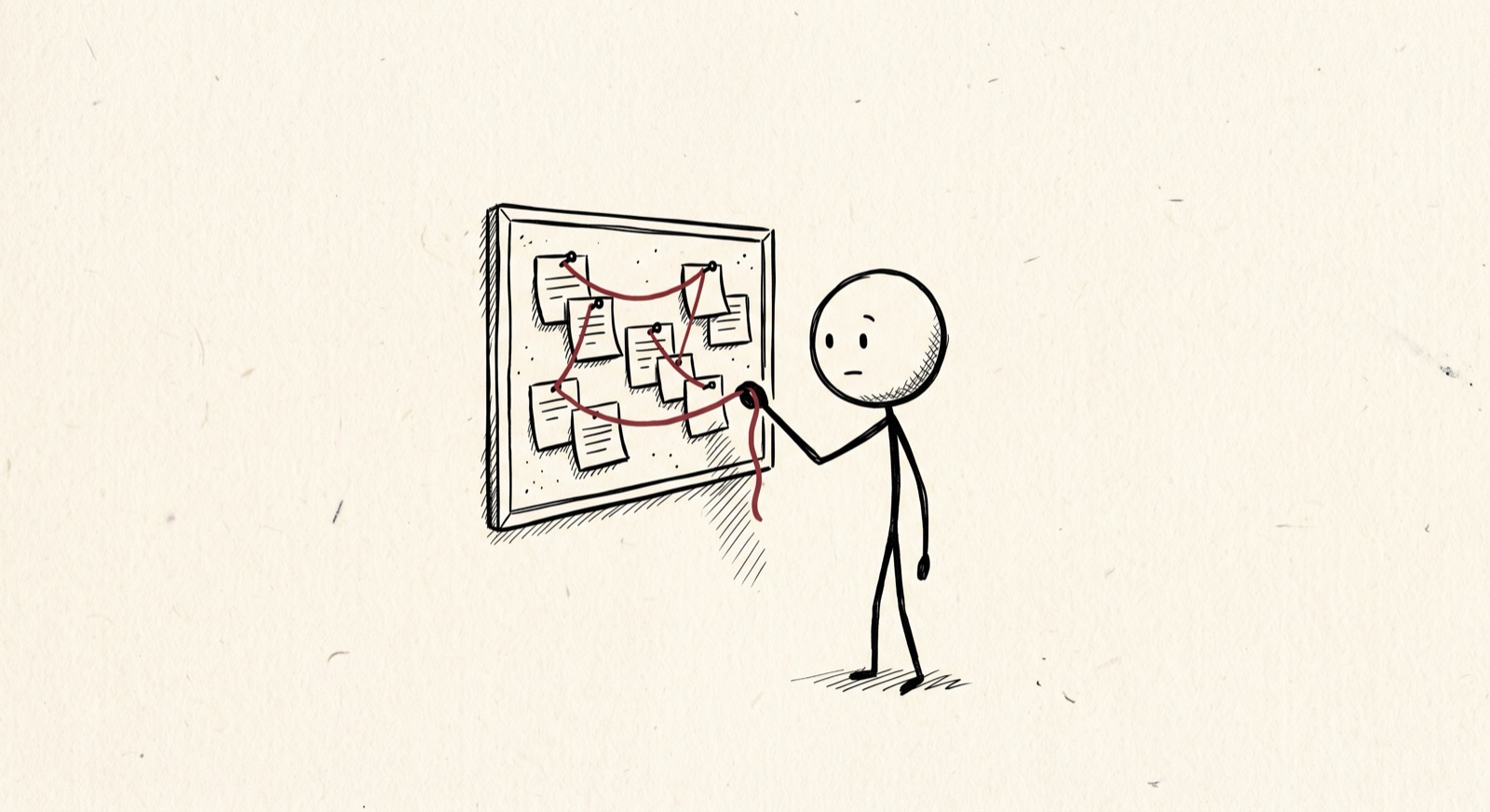
- Connect the dots. Look for recurring pain points mentioned independently by different stakeholders across the business.
- Categorize opportunities. Separate the low-hanging fruit - quick, low-risk wins - from the complex, systemic issues that will require a long-term strategy.
Phase 3: strategic acceleration
Now it’s time to unleash your bias toward action safely and effectively.
- Start small and public. Execute a quick win that directly makes someone else’s job easier. This builds immediate political capital.
- Share your hypothesis. Before launching a major project, write a one-pager outlining your intended action and share it for feedback.
- Shift gears. Gradually transition your working ratio from 90% listening and 10% doing to 20% listening and 80% doing.
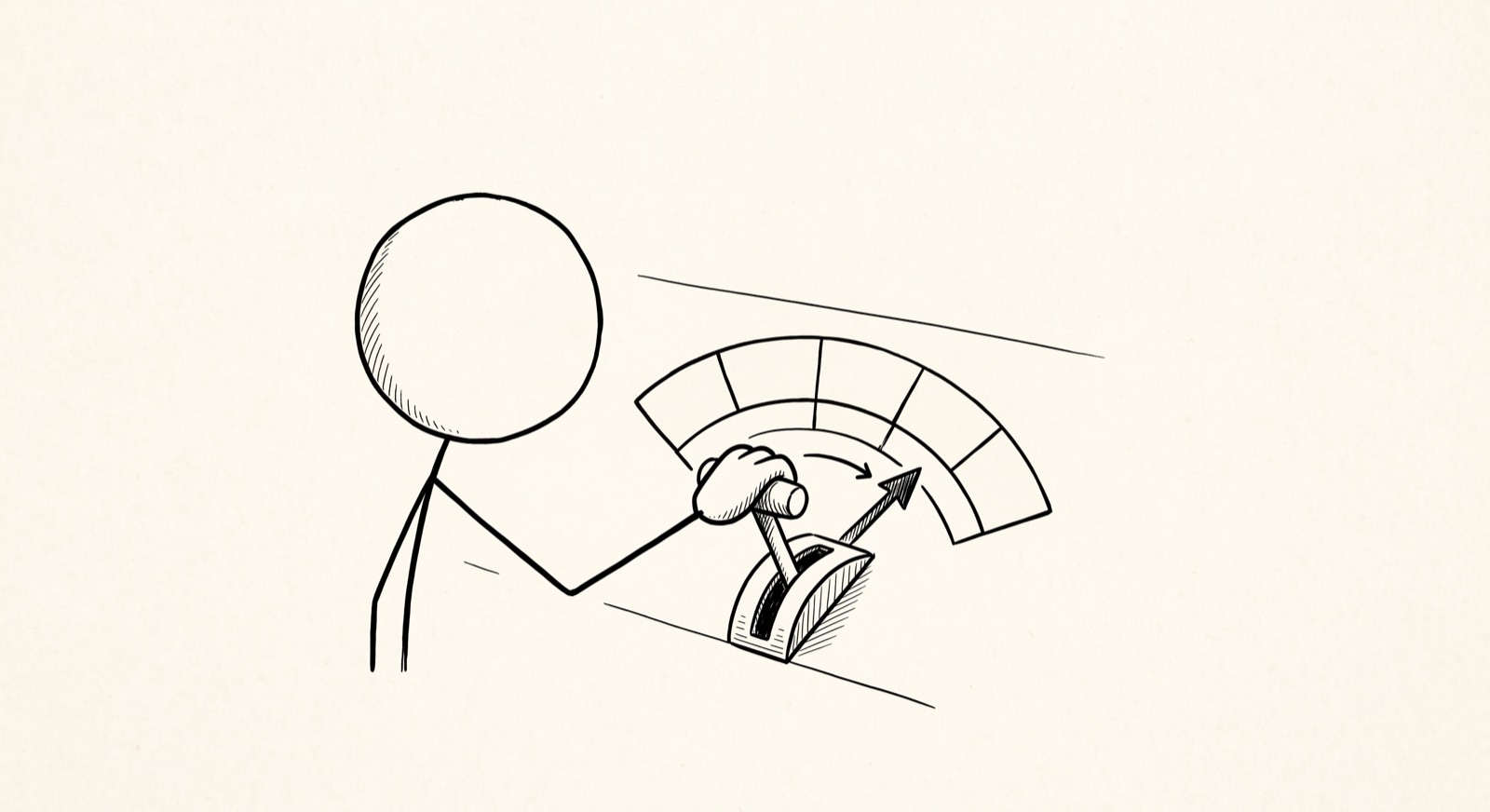
None of this is about moving slowly - it’s about making sure that when you do move, you’re pushing on something that actually needs pushing.
So, the next time you find yourself in a new environment, fighting the urge to fix everything on day one: take a breath. Put down the sledgehammer. Pick up the blueprints. The real work will still be there when you’re actually ready to build.